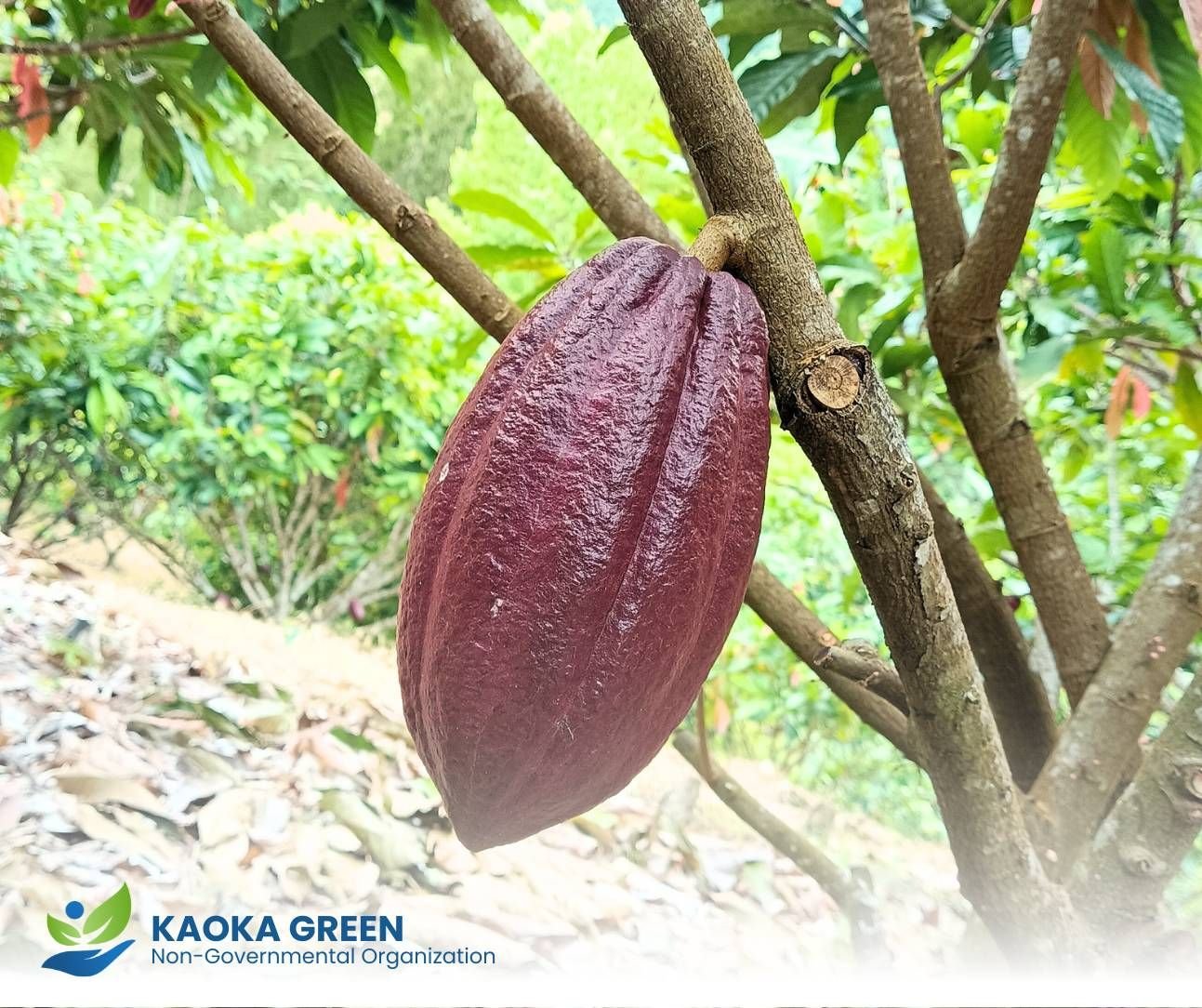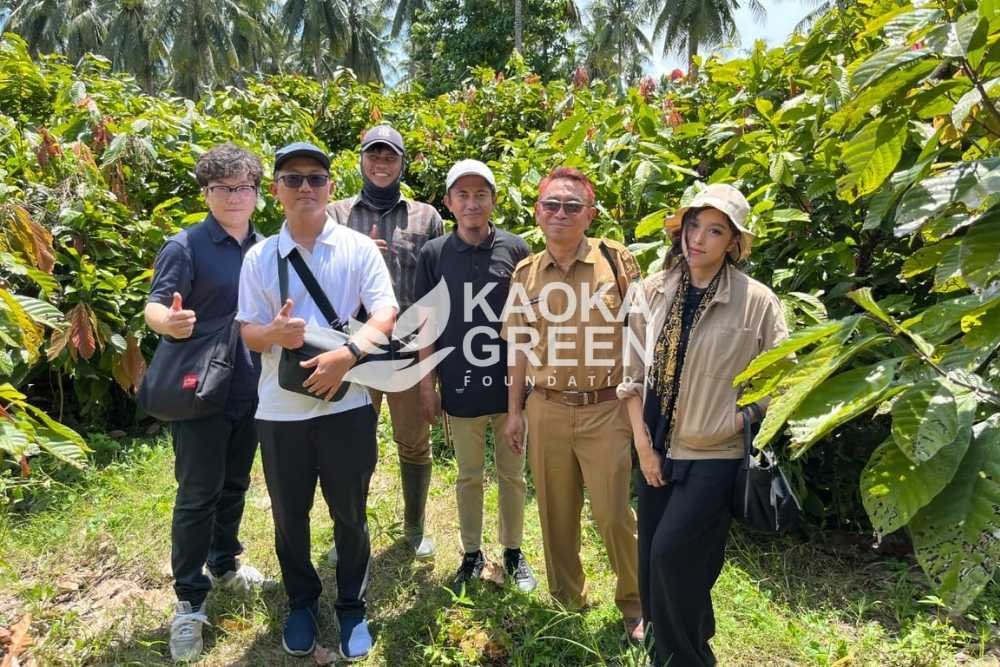
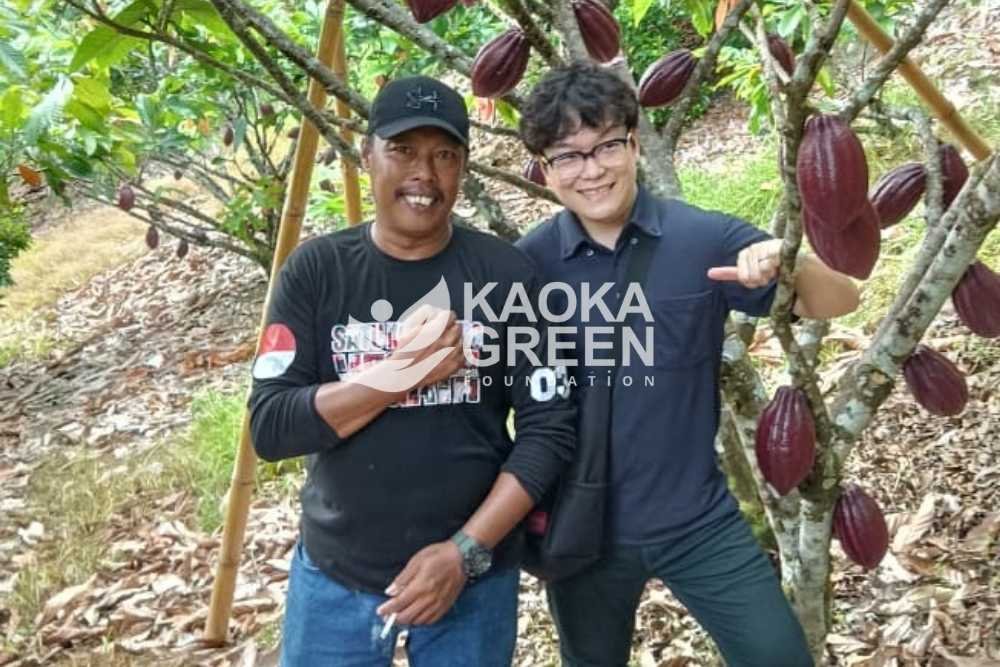
In Taripa Village, Sindue District, Donggala Regency, cacao is more than just a crop—it is a source of livelihood cultivated with strong community spirit. Farming here is managed by farmer groups, consisting of five men’s groups with 25–27 members each. On average, every farmer manages one hectare of cacao land with 400–600 trees, making Taripa a significant contributor to cacao production in Central Sulawesi.
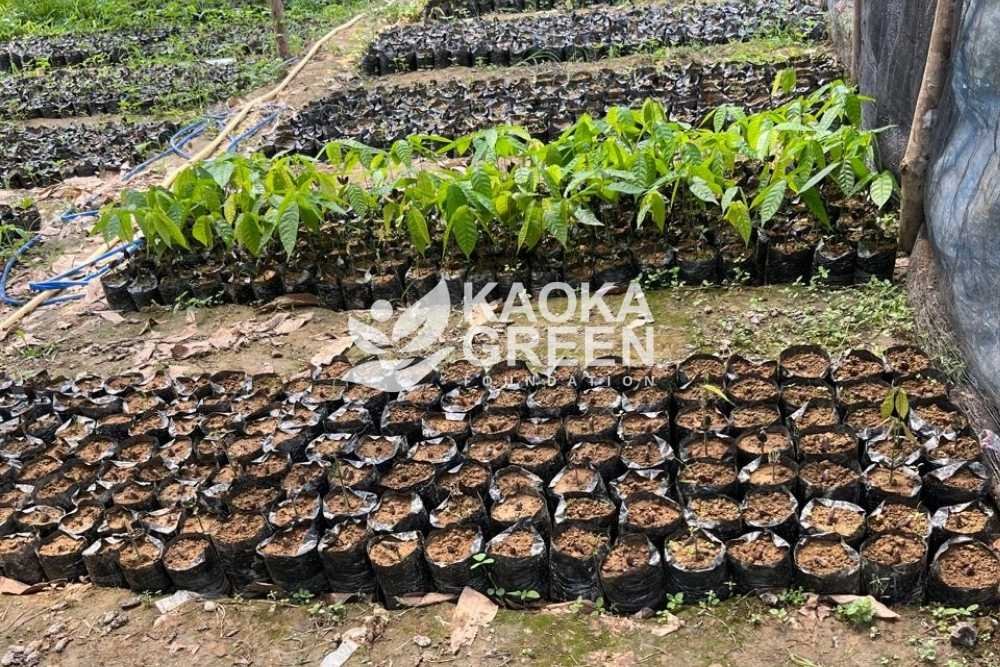
The main variety cultivated is MCC02, complemented by MCC01 and a small number of local varieties. Seedlings of MCC02 were sourced from two major nurseries: 10,000 seedlings from Masamba, North Luwu, South Sulawesi, and 7,000 seedlings from Kasimbar, Parigi Moutong Regency. Most MCC02 trees are relatively young, about 5–6 months old, while MCC01 and local trees are older, with some already bearing fruit.
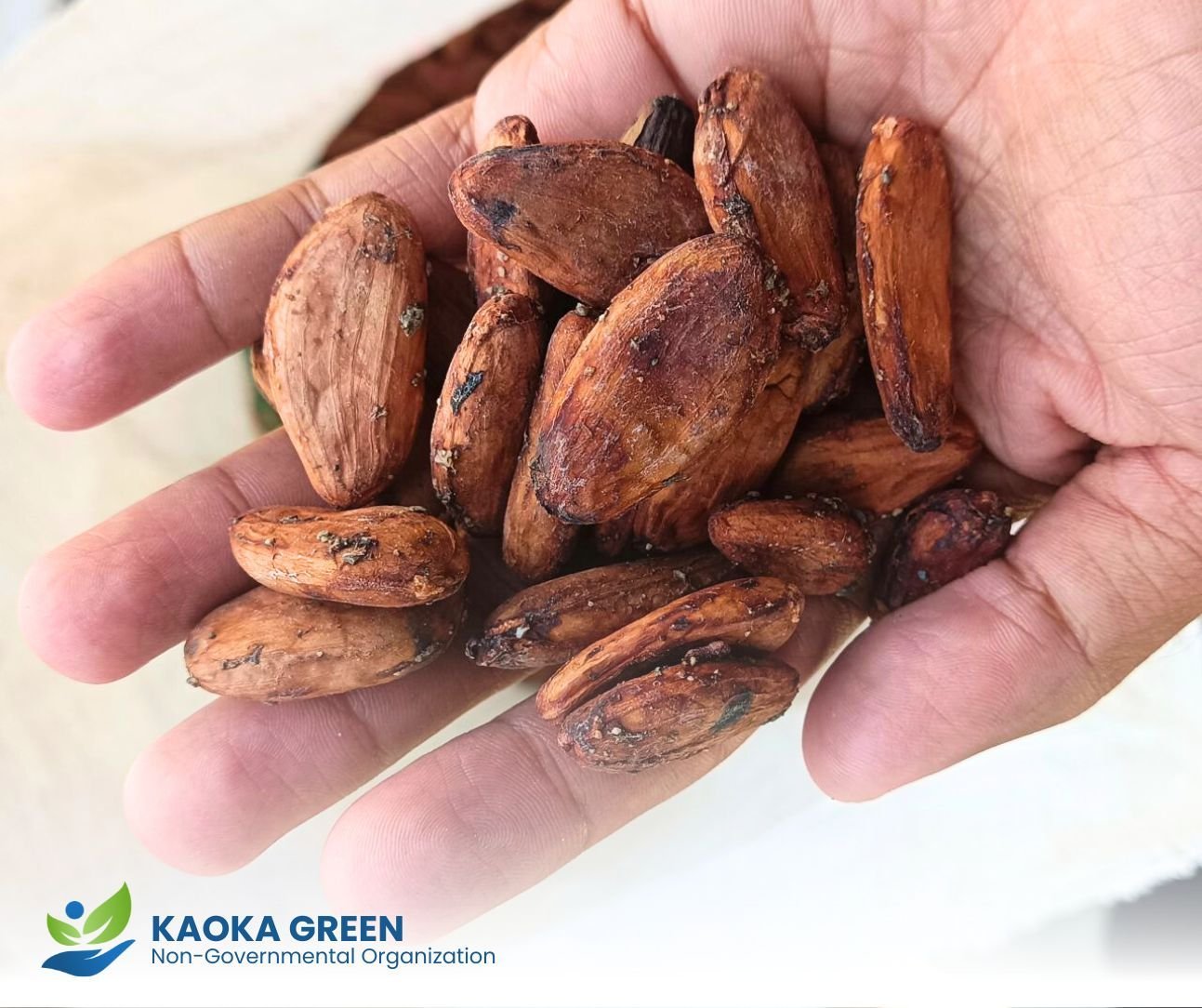
Harvest takes place twice a year, in April and August. Each hectare produces around 6,000 cacao pods, which are processed into approximately 200 kilograms of dried beans. Fermentation is carried out individually by farmers using plastic sacks, with 30–50 kilograms of beans per batch. The beans are turned every two days during a five-day fermentation process, before being sun-dried—a method that remains both simple and cost-effective.
Cacao beans are sold through brokers or directly to warehouses, with CV Adipura Novega as one of the main buyers in the region. Prices generally follow international market trends. Interestingly, there is no price distinction between fermented and unfermented beans, although MCC02 commands a premium of Rp 3,000 per kilogram compared to local varieties.
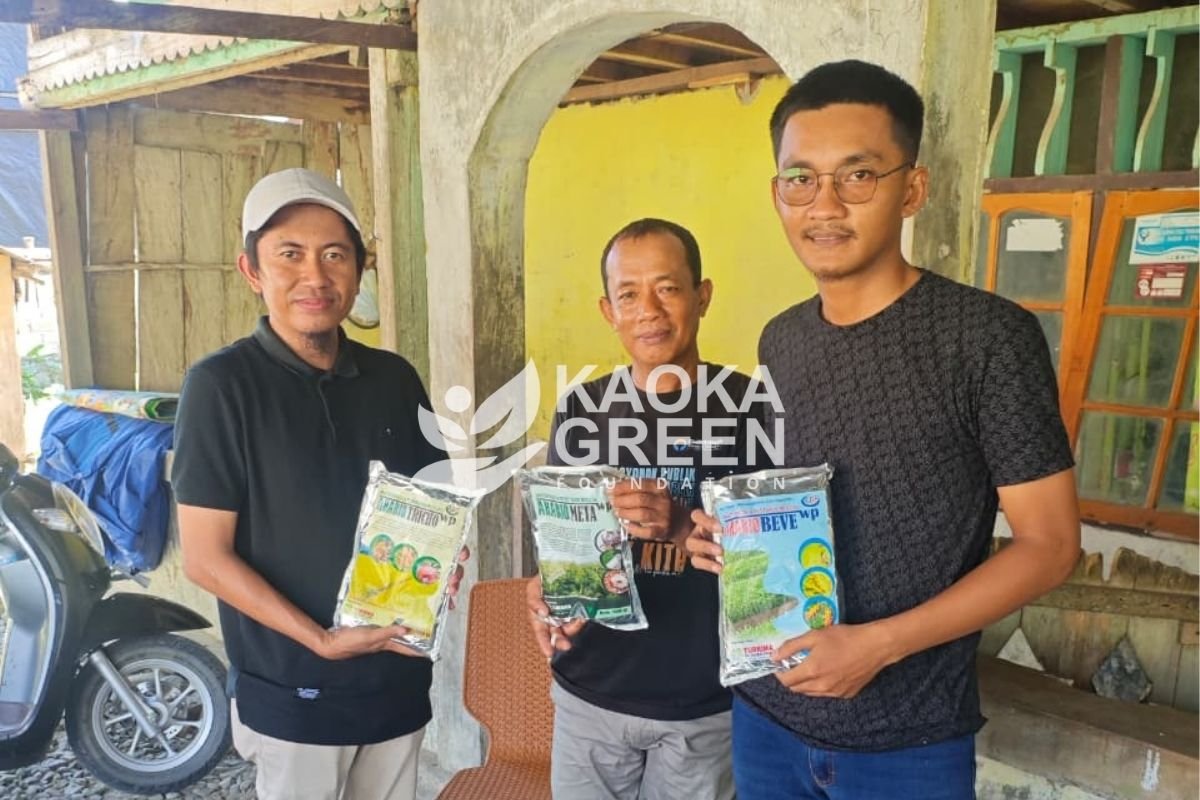
Despite the progress, farmers in Taripa still face challenges. Access to quality seedlings is often limited, while the high cost of non-subsidized fertilizer puts financial pressure on them. Government-subsidized fertilizer, on the other hand, is often in short supply. Farmers also highlight the need for training programs in farm management to improve productivity and efficiency.
The story of cacao cultivation in Taripa Village reflects the resilience of smallholder farmers who continue to persevere despite limitations. With dedication, teamwork, and traditional knowledge, they play a vital role in sustaining the global cacao supply chain—from a small village in Central Sulawesi to chocolate lovers around the world.